Long COVID and the Nervous System: Why Symptoms Persist When Tests Look Normal

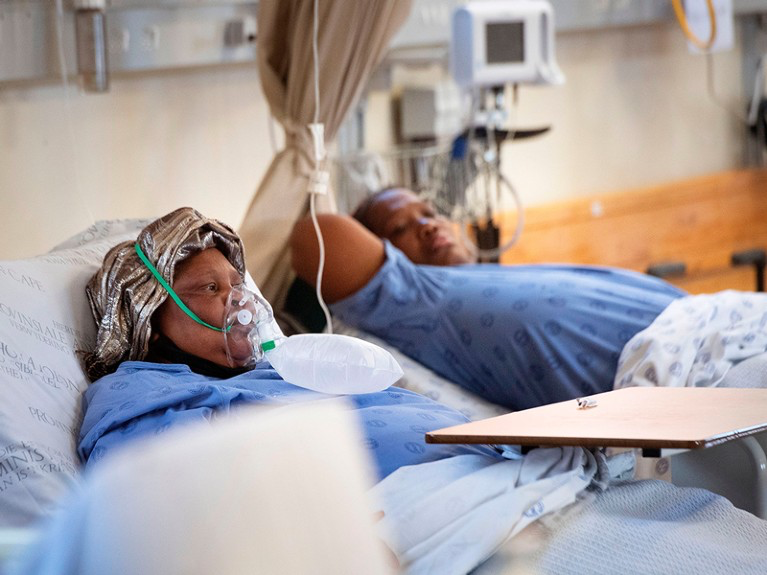
For many people, COVID did not end with the initial infection.
Weeks or months later, symptoms linger. Fatigue that does not improve with rest. Brain fog that makes simple tasks feel overwhelming. Dizziness when standing. Heart palpitations. Shortness of breath. Sleep disturbances. Sensitivity to exertion.
For many, medical testing brings little clarity. Blood work is normal. Imaging is unremarkable. Cardiac and pulmonary tests often fail to explain the severity of symptoms.
This has left millions of people searching for answers, often feeling dismissed or misunderstood.
Increasingly, research and clinical experience point toward a common underlying factor: autonomic nervous system dysregulation.
Why long COVID is so difficult to diagnose
Long COVID does not behave like a traditional disease with a single affected organ.
Instead, it presents as a constellation of symptoms that span multiple systems at once. Cardiovascular, neurological, gastrointestinal, immune, and cognitive symptoms frequently overlap.
This pattern is confusing if you are looking for structural damage. It makes more sense when viewed as a regulatory problem.
The autonomic nervous system controls how the body adapts to stress, movement, posture, and recovery. When this system is disrupted, the body may struggle to maintain stability even when organs themselves appear intact. Professional society statements now recognize that many long COVID presentations closely resemble known autonomic disorders rather than isolated organ injury.
How viral illness can disrupt regulation
Viral infections place a significant burden on the autonomic nervous system.
Inflammation, immune activation, vascular changes, oxidative stress, and prolonged physiological strain can all interfere with autonomic signaling. In some individuals, this leads to persistent imbalance long after the virus has cleared.
The result is not ongoing infection, but a nervous system that no longer regulates efficiently.
Clinical reviews in neuro-cardiology describe how post-viral autonomic dysfunction can drive symptoms such as palpitations, chest discomfort, fatigue, and brain fog, even when cardiac structure and lung function appear normal.
This helps explain why long COVID symptoms can be triggered or worsened by:
Standing up
Light physical activity
Cognitive effort
Emotional stress
Poor sleep or dehydration
In these cases, the issue is not damage from exertion, but an inability to adapt and recover normally.
Why symptoms fluctuate and feel unpredictable
One of the most frustrating aspects of long COVID is variability.
People often report good days followed by sudden crashes. Symptoms may change from hour to hour or appear without an obvious trigger. Effort that was tolerated one day may be impossible the next.
This unpredictability is a hallmark of autonomic dysfunction.
A well-regulated nervous system adjusts smoothly to changes in demand. When regulation is impaired, small stressors can overwhelm capacity, leading to disproportionate symptoms. Reviews of postural orthostatic tachycardia syndrome and related dysautonomias describe exactly this pattern of fluctuating tolerance and post-exertional symptom worsening.
This is why pacing helps some people but does not fully resolve the problem. Pacing reduces demand, but it does not directly address the underlying regulatory imbalance.
Why standard tests often miss the problem
Most clinical tests are designed to detect structural abnormalities or persistent biochemical changes.
Autonomic dysfunction is different. It is dynamic.
The problem lies in how the body responds over time, not in a static snapshot. A heart can be structurally normal while heart rate control is impaired. Blood pressure can be normal at rest but unstable with posture changes. Oxygen levels can be normal while exertion tolerance is severely reduced.
Without testing the nervous system’s responses to controlled challenges, these issues remain hidden.
This helps explain why many people with long COVID are told that “everything looks normal” despite ongoing, life-altering symptoms.
A growing body of evidence
Long COVID has forced medicine to confront regulatory dysfunction more directly.
Patterns seen in long COVID overlap strongly with conditions such as postural orthostatic tachycardia syndrome (POTS) and other forms of dysautonomia. These conditions were historically under-recognized, but long COVID has made them impossible to ignore.
Importantly, this does not mean symptoms are psychological.
It means the system responsible for coordination and recovery is under strain.
Why measurement matters
Understanding whether autonomic dysfunction is present changes the conversation.
Instead of asking why symptoms persist despite normal tests, the question becomes:
How is the nervous system responding to stress?
How well does it recover?
Is regulation flexible or rigid?
Are compensatory patterns driving symptoms?
Objective autonomic testing provides answers to these questions.
At Autonomic Health, the goal is to make these measurements accessible so individuals and clinicians can move beyond uncertainty toward clarity.
From uncertainty to explanation
For many people with long COVID, the most powerful moment is not receiving a new label, but finally having an explanation that fits their experience.
Autonomic dysfunction offers a unifying framework that explains why symptoms are real, why they fluctuate, and why traditional testing often fails to capture them.
It also opens the door to monitoring progress over time rather than guessing.
Looking forward
Long COVID has exposed a critical gap in healthcare.
It has shown that recovery is not just about healing tissue, but about restoring regulation. As autonomic testing becomes more accessible, this gap can finally be addressed.
For millions of people still searching for answers, understanding the nervous system may be the missing piece.
Autonomic testing is coming soon
At-home autonomic testing is currently in development.
You can sign up on our website to be notified when testing becomes available and learn whether nervous system regulation may be contributing to your symptoms.
Sometimes recovery begins not with a new treatment, but with finally seeing what has been invisible.
Selected references (for readers who want to go deeper)
Raj et al., Clinical Autonomic Research (2021)
DePace & Colombo, Current Cardiology Reports (2022)
Colombo et al., NeuroSci (2022)
Snapper & Cheshire, Autonomic Neuroscience (2022)
Bloom & Colombo, Journal of Individualized Medicine and Therapies (2022)