Why So Many Chronic Conditions Don’t Show Up On Blood Tests

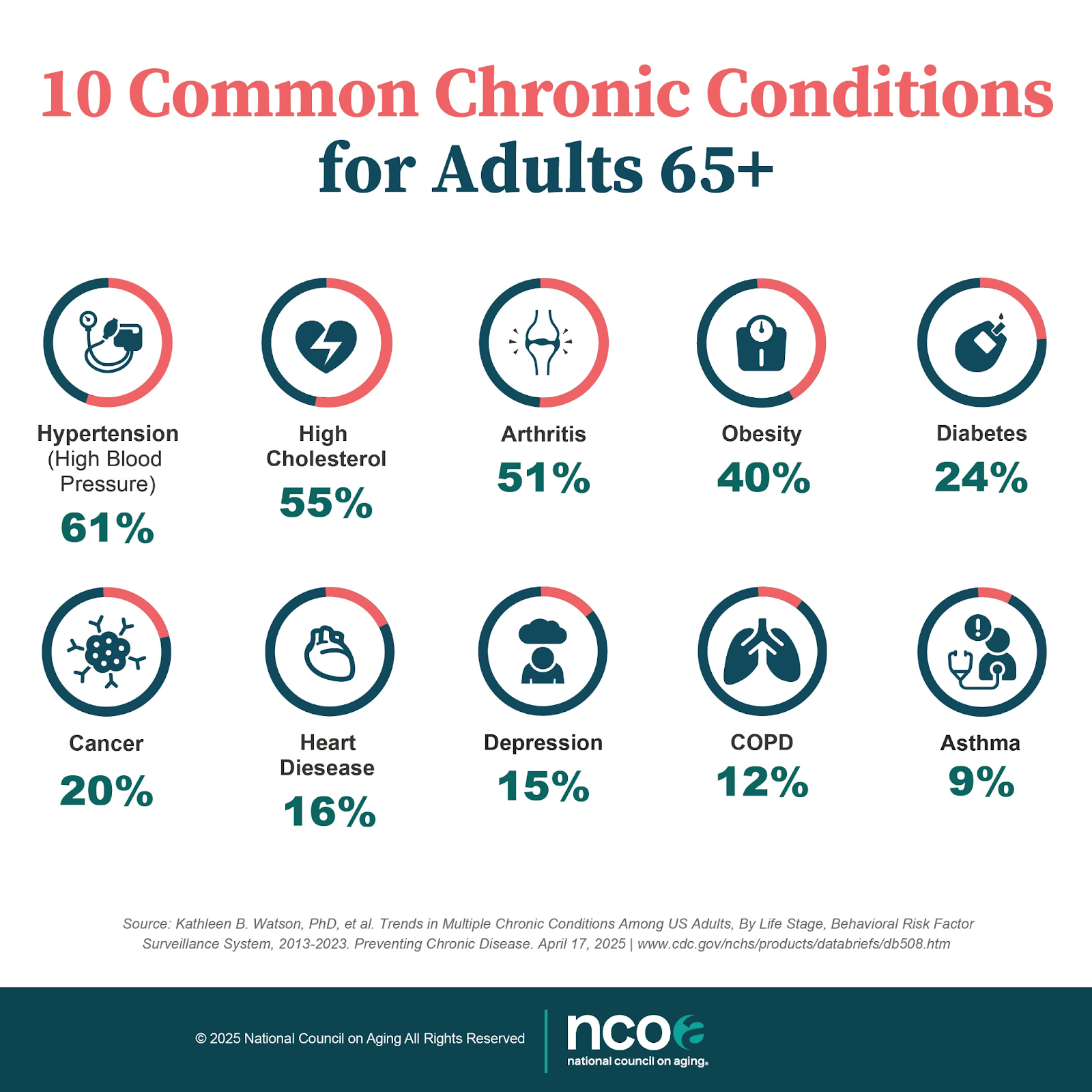
If you have ever been told “your labs look normal” while continuing to feel exhausted, foggy, dizzy, anxious, or unwell, you are not alone.
This is one of the most frustrating experiences in modern healthcare. Symptoms are real. Daily life is disrupted. Yet blood work, imaging, and standard cardiac tests often come back within range. No diagnosis. No explanation. Often, no next step.
To understand why this happens so frequently, it helps to look at what modern medicine is designed to detect and, just as importantly, what it has historically struggled to see.
What standard tests are built to measure
Most clinical tests are excellent at detecting structural or biochemical failure.
Blood panels measure concentrations of substances in circulation. Imaging looks for visible changes in organs and tissues. Cardiac tests look for electrical or mechanical abnormalities at rest. These tools are lifesaving when disease has already taken hold.
But many chronic conditions do not begin as structural problems. They begin as regulatory problems.
They emerge when the body’s internal control systems stop adapting efficiently to stress, posture, exertion, inflammation, and recovery. Long before organs are damaged or lab values drift out of range, regulation can quietly deteriorate.
Regulation versus structure: the missing layer
Think of the body like a car.
Standard tests tell you whether the engine is broken. They do not tell you how the car is being driven.
The autonomic nervous system is the body’s regulatory system. It controls how fast the heart beats, how blood pressure adapts when you stand, how digestion responds to meals, how inflammation is regulated, and how the body recovers after stress.
Research shows that autonomic dysfunction often appears years before structural disease is detectable. In conditions like diabetes, autonomic decline can begin long before blood sugar crosses diagnostic thresholds. By the time Type 2 diabetes is diagnosed, many patients have already lost a significant portion of autonomic function, even though organs still appear intact.
The body compensates aggressively to preserve homeostasis. Labs remain “normal” not because the system is healthy, but because it is working overtime to hide dysfunction.
Why static tests miss dynamic failures
Most routine testing captures the body at rest. Autonomic dysfunction often appears only during challenge.
Certain failure patterns are invisible while sitting calmly on an exam table:
Sympathetic Withdrawal, where blood vessels fail to constrict properly when standing
Parasympathetic Excess, where the vagal “brake” activates inappropriately during stress
Baroreflex dysfunction, where blood pressure regulation becomes unstable under load
Delayed recovery, where the system cannot return to baseline after mild exertion
A patient may have normal blood pressure while seated, but upon standing, fail to maintain cerebral perfusion. Blood pools in the legs, the brain is under-supplied, and symptoms like dizziness, fatigue, and brain fog appear. Standard cuffs and blood panels never see this.
These are dynamic failures, not resting abnormalities.
Why symptoms feel widespread and inconsistent
One of the defining features of autonomic dysfunction is multi-system involvement.
Fatigue appears alongside digestive issues. Brain fog accompanies heart palpitations. Anxiety-like sensations coexist with temperature intolerance and sleep disruption. Symptoms fluctuate day to day, sometimes hour to hour.
This is not random.
The autonomic nervous system innervates nearly every organ system. It regulates blood flow, immune signaling, hormone release, gut motility, and metabolic demand. When regulation fails upstream, symptoms emerge downstream across multiple systems simultaneously.
Because each person’s physiology and compensatory patterns differ, the symptom profile varies widely, even when the underlying mechanism is similar.
Why patients are often mislabeled
Medical training emphasizes organs, specialties, and structural disease. Regulation sits between disciplines, and as a result, autonomic dysfunction is frequently under-recognized.
Authoritative reviews acknowledge that conditions like diabetic autonomic neuropathy are among the most overlooked serious complications in medicine. Patients with dysautonomia, Ehlers-Danlos Syndrome, or Long COVID are often told their symptoms are anxiety, stress, or functional disorders because standard testing appears normal.
This mislabeling is especially common when symptoms resemble panic. In reality, many “anxiety” episodes are physiological adrenaline surges, triggered when the nervous system struggles to maintain blood pressure or cerebral blood flow. Treating the autonomic imbalance often reduces these symptoms dramatically.
Why labs stay “normal” for so long
The body prioritizes stability above all else.
The autonomic nervous system will sacrifice long-term health to preserve short-term homeostasis. It adjusts heart rate, vascular tone, and hormonal output to keep measurable values within range, even when regulation is failing.
For example, a person with poor vascular tone upon standing may develop high resting blood pressure as a compensatory mechanism. Treating that blood pressure in isolation can worsen fatigue, dizziness, and cognitive symptoms because it removes the body’s last remaining compensation.
Normal labs often reflect a system compensating under strain, not a system functioning optimally.
Early signals that standard care misses
Autonomic dysfunction produces measurable changes long before traditional biomarkers shift.
These include:
Altered heart rate responses to deep breathing
Impaired blood pressure adaptation to posture
Reduced autonomic recovery after challenge
Abnormal coupling between respiration and heart rate
Poor microvascular perfusion despite normal pressure
These signals reflect how the system behaves, not just what it looks like at rest. They reveal loss of flexibility, delayed recovery, and brittle regulation years before organ damage occurs.
Why this matters for prevention
Autonomic dysfunction is not just explanatory. It is prognostic.
Certain autonomic patterns are stronger predictors of mortality than cholesterol, blood pressure, or glucose alone. In diabetes, autonomic impairment can be detected in pre-diabetes, when intervention is still reversible. In Long COVID, specific autonomic signatures explain persistent symptoms even when imaging is normal.
Identifying regulatory dysfunction early shifts care from damage control to prevention.
A different way to think about health
Health is not simply the absence of abnormal test results. It is the presence of resilient regulation.
When the autonomic nervous system is flexible, the body adapts. When it is not, symptoms accumulate quietly, often for years, before traditional diagnostics catch up.
Understanding this distinction explains why so many people feel unwell without a diagnosis, and why the future of preventive care must include nervous system testing.
Autonomic testing is coming soon
At-home autonomic testing is currently in development.
You can sign up on our website to be notified when testing becomes available and take the first step toward understanding how your nervous system is actually functioning.
Sometimes the most important signals are the ones no one has been measuring.
References
Vinik AI, Maser RE, Mitchell BD, Freeman R. Diabetic autonomic neuropathy. Diabetes Care. 2003.
Vinik AI, Erbas T, Casellini CM. Diabetic cardiac autonomic neuropathy, inflammation, and cardiovascular disease. Journal of Diabetes Investigation. 2013.
Vinik AI, Maser RE, Ziegler D. Autonomic imbalance: prophet of doom or scope for hope? Diabetic Medicine. 2011.
Spallone V, et al. Cardiovascular autonomic neuropathy in diabetes. Diabetes/Metabolism Research and Reviews. 2011.
Goldberger JJ, Arora R, Buckley U, Shivkumar K. Autonomic nervous system dysfunction. Journal of the American College of Cardiology. 2019.
Freeman R. Assessment of cardiovascular autonomic function. Clinical Neurophysiology. 2006.
DePace NL, Colombo J. Clinical Autonomic Dysfunction. Springer. 2014.
DePace NL, Colombo J. Clinical Autonomic and Mitochondrial Disorders. Springer. 2019.
Raj SR, Arnold AC, Barboi A, et al. Long-COVID postural tachycardia syndrome. Clinical Autonomic Research. 2021.